
Specialized knowledge · data · technology
Turn complex
data into answers
you can use.
When your data is fragmented, highly specialized, or too complex for off-the-shelf technology, finding the information you need can become a problem of its own.
I work at the intersection of specialized knowledge, data, and technology to turn complex information into practical, usable intelligence that helps people make better decisions faster.
Which kind of complex problem are you dealing with?

Legal
Turn medical records into usable case intelligence

Life sciences & biotech
Make complex scientific data more useful

Data, AI & technology strategy
Start with the problem, not the AI
The answer you can act on
01 — The premise
More tools don't make complex information easier to use.
Complex problems don't always need more technology. They need someone who understands the problem well enough to know what technology should do.
This is especially true in specialized fields. Scientific data doesn't behave like sales data. Medical information can't be treated like ordinary business documents. And generic AI tools aren't built to understand the context, accuracy requirements, security concerns, and domain knowledge behind specialized information.
The goal isn't technology for technology's sake. It is to make complex information more useful to the people who need it.
02 — The difference
Complex information problems rarely belong to just one discipline.
The difficult part is often not the technology itself. It is understanding the relationship between the domain, the information, and the technology.
What the information means and which decisions depend on it.
Structuring, connecting, and maintaining the information so it can be used reliably.
A technologist or an AI system may apply the tools quickly, but without the accuracy, workflow, and security requirements the domain demands.
A scientist may understand the information but not how to architect the technology around it.
A data engineer may structure and connect the information, but not know which decisions depend on it.
A technologist or an AI system may apply the tools quickly, but without the accuracy, workflow, and security requirements the domain demands.
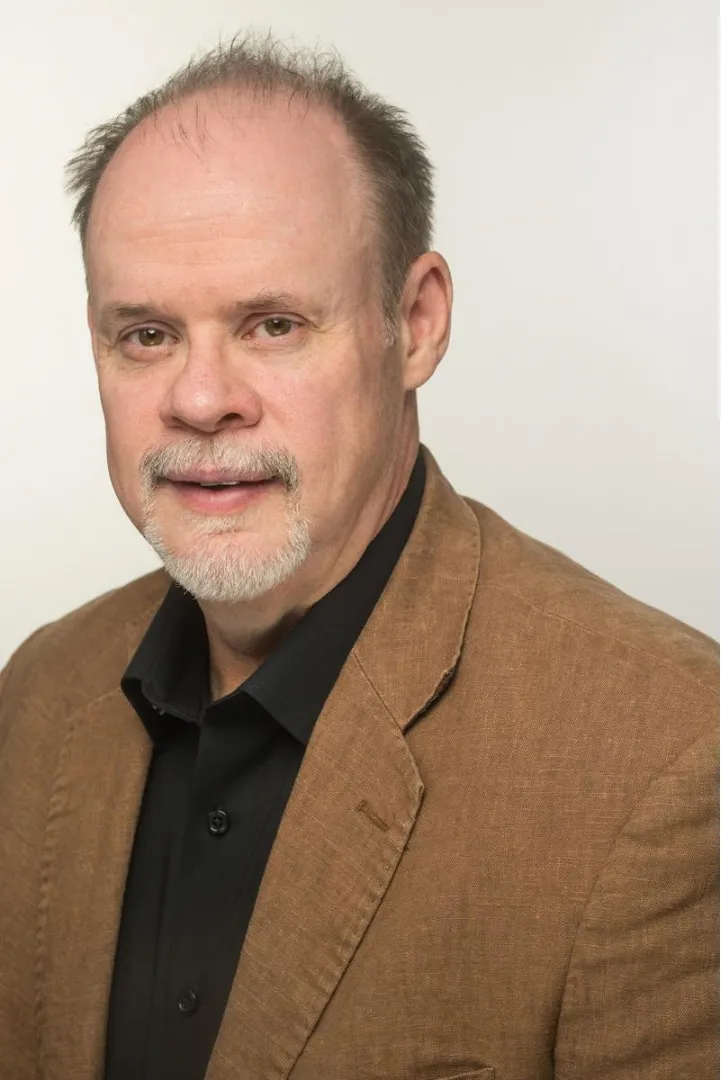
Peter works across all three.
The work sits at the intersection.
The objective is to understand the domain deeply enough to determine what the information means, understand the data deeply enough to structure it, and understand the technology deeply enough to make it usable.
03 — what this looks like
Complexity, before and after.
The problems vary by domain. The task is the same: make important information easier to access, understand, connect, and use.
BEFORE
Medical records arrive as fragmented PDFs, faxes, and scans that legal teams search by hand. Manually.
AFTER
Structured, searchable case intelligence built around the underlying medical evidence.
BEFORE
Medical records arrive as fragmented PDFs, faxes, and scans that legal teams search by hand. Manually.
AFTER
Structured, searchable case intelligence built around the underlying medical evidence.
BEFORE
Scientific information sits across datasets, systems, and workflows that were never designed to work together.
AFTER
Data and systems organized around how researchers actually need to access, analyze, and use the information.
BEFORE
Scientific information sits across datasets, systems, and workflows that were never designed to work together.
AFTER
Data and systems organized around how researchers actually need to access, analyze, and use the information.
BEFORE
An organization knows it has a data or AI problem but is starting with technology rather than a clearly defined decision, information requirement, or constraint.
AFTER
A defined problem, identified constraints, and a right-sized technology approach based on what the organization actually needs.
BEFORE
An organization knows it has a data or AI problem but is starting with technology rather than a clearly defined decision, information requirement, or constraint.
AFTER
A defined problem, identified constraints, and a right-sized technology approach based on what the organization actually needs.
04 — Services
Different domains, one underlying challenge.
Important information exists. People need answers from it. But it isn't always structured or accessible in a way that makes those answers easy to find. I design solutions around the information, the decisions that depend on it, and the environment in which it has to work.
Legal
Turn medical records into usable case intelligence
Turn medical records into structured, searchable clinical intelligence that legal teams can use to identify relevant evidence and prepare cases.
Life sciences & biotech
Make complex scientific data more useful
Build practical systems around the way researchers and their data actually work, from scientific data processing and bioinformatics to the infrastructure required to make information usable.
Data, AI & technology strategy
Start with the problem, not the AI
Determine where AI, machine learning, data architecture, automation, and cloud infrastructure actually fit, and what is required to make the resulting system reliable and usable.
05 — Approach
Understand the problem first.
Right-size the solution.
The answer isn't always another tool.
When I look at a complex problem, I don't begin by asking
"How can we use AI?"
I ask four questions, in order.
01 Understand the decision
What are we trying to understand, accomplish, or decide?
02 Understand the information
What information already exists? Where does it live? What makes it difficult to use?
03 Identify the real constraint
Access, structure, context, workflow, architecture, or something else?
04 Right-size the solution
AI, machine learning, automation, data architecture, cloud, process change, or a mix.
The technology follows the problem.
The objective is not to introduce more technology. It is to build the smallest practical system that makes the information more useful and the decision easier to make.
06 — About Peter a. wilkinson
Scientist. Technologist. Problem solver.
Two decades across science, bioinformatics, ML, AI & cloud.

My career has never fit neatly into one box. My background began in science and evolved across computer science, bioinformatics, data, machine learning, cloud architecture, and artificial intelligence.
Over more than two decades, I've worked on problems where understanding the technology wasn't enough. You also had to understand the information, the people using it, and the specialized environment in which decisions were being made.
That combination has allowed me to work across disciplines that are often separated from one another.
I understand the scientist trying to extract meaning from complex research data.
I understand the technologist responsible for building the infrastructure behind it.
And I understand why problems emerge when those two worlds don't speak the same language.
Today, I apply that experience to organizations dealing with information that is too complex, fragmented, or specialized for generic solutions.
I start with the problem. Then I determine how data, AI, machine learning, automation, cloud infrastructure, or other technologies can be used to solve it.
The best solution isn't necessarily the one with the most technology. It's the one that makes the information more useful to the people who need it.
03 — Services
Different domains, one underlying challenge.
Important information exists. People need answers from it. But it isn't structured or accessible in a way that makes those answers easy to find. I design solutions that close that gap.
Legal
Turn medical records into usable case intelligence
Law firms handling medical-record-heavy cases can spend significant staff time collecting, organizing, reading, and searching through records before attorneys have the information they need to evaluate or work a case.
I help firms turn complex medical records into structured, usable case intelligence - so legal teams can identify relevant evidence sooner, evaluate case merit faster, and spend more of their time working cases rather than searching documents.
Life sciences & biotech
Make complex scientific data more useful
Scientific organizations generate enormous amounts of specialized data, but getting that information into a form researchers can consistently access, analyze, and use can be difficult. Generic IT solutions often don't account for how scientists actually work. Scientific teams, meanwhile, may not have the technology infrastructure or expertise required to build the systems they need.
I bridge that divide. Drawing on my background in science, bioinformatics, data, machine learning, and technology architecture, I help life science and biotech organizations build practical systems around the way their researchers and their data actually work.
Data, AI & technology strategy
Start with the problem, not the AI
AI creates enormous possibilities, but putting AI on top of poorly structured data or an unclear business problem doesn't magically create intelligence.
I help organizations determine where AI, machine learning, data architecture, cloud technology, and automation can create meaningful value — and what needs to be in place to make those solutions practical, secure, and reliable. Depending on the problem, that can include advisory work, solution architecture, implementation strategy, and fractional technology leadership.
Contact
Have a complex problem hiding in your data?
Tell me what you're working with, what's getting in the way, and what you're trying to accomplish. We can decide together whether there is a practical way to turn that complexity into something useful.
Specialized knowledge, data, and technology, brought together to turn complex
information into decisions.
Contact
Peter Wilkinson
Founder and CEO
1-400-600-4315
© 2026 Operated by Know Thyself Insights (KTI). All rights reserved.